Tuesday, 25 July 2017

KHL - Pre-Season Plans

At this stage of the preseason, some teams’ preparations are still in the preparation stage, but a handful of clubs - Jokerit, Slovan, Spartak, Dinamo Riga, Vityaz and Lokomotiv - have already organized a schedule of friendly and exhibition games.

Jokerit

efb077160b0834e98566d829fa50a5a7.jpg
Jokerit Helsinki

For Jokerit, the forthcoming campaign has a special significance – the club will celebrate its 50th anniversary, and the country marks 100 years of hockey in Finland. Jokerit will play six preseason friendlies, three of which are to be held at various venues in Finland - one versus Kunlun Red Star of Beijing and two against Sibir of Novosibirsk – plus three more in August, when Jukka Jalonen’s team will compete in the Nikolai Puchkov Tournament in Saint-Petersburg.
The schedule is as follows:
28.07 Jokerit – Kunlun Red Star (Espoo)

02.08 Sibir – Jokerit (Valkeakoski)

08.08 Jokerit – Sibir (Vantaa)

Mid-August:  Nikolai Puchkov Tournament in Saint-Petersburg – opposition and dates to be confirmed

Slovan Bratislava

2e78ef15bebfa42dee22d7fc2724c433.jpg
Slovan

Bratislava’s “Eagles” plan to play 11 games during July and August as part of their preseason preparations, against opposition from the KHL, the Czech Extraliga, the Slovakia championship and from Germany’s second-tier league. Slovan starts its preseason at its home arena before moving to training camp a short distance away at Bruck on the Slovak-Austrian border. The grueling series of friendly matches begins with games on the 19th and 20th of July as guests of Dynamo Pardubice in the Czech Republic. Five days later, Slovan takes on Spartak at home before heading off to Maribor, Slovenia, where they will meet more KHL opposition in the shape of Torpedo Nizhny Novgorod.
On the 2nd of August, Slovan will play at home against Zlin of the Czech Republic, and a day later travel to the home of the Czech champions, HC Kometa of Brno. From the 8th to the 10th, the Bratislava boys play in the Wingas Cup tournament in Kassel, Germany. The last two exhibition games will be another match-up with Kometa Brno on the 15th, this time on home ice, before a road match on the 17th against the champion of Slovakia, HC'05 Banska Bystrica.
Schedule:
19.07 Slovan – Dynamo Pardubice (Pardubice)

20.07 Slovan – Dynamo Pardubice (Pardubice)

25.07 Slovan – Spartak Moscow (Bratislava)

27.07 Slovan – Torpedo Nizhny Novgorod (Maribor)

02.08 Slovan – HC PSG Zlin (Bratislava)

03.08 Slovan – Kometa Brno (Brno)

08.08 Slovan – Dinamo Riga (Wingas Cup)

09.08 Slovan – EC Kassel Huskies (Wingas Cup)

10.08 Slovan – Vityaz (Wingas Cup)

15.08 Slovan – Kometa Brno (Bratislava)

17.08 Slovan – HC'05 Banska Bystrica (Banska Bystrica)

Spartak Moscow

cb065160f6e39d9d4229b2476f0a466a.jpg
Spartak

The Red-and-Whites will gather at their Moscow home on the 1st of July, and from the 3rd to the 15th will hold their first preseason training camp in the Czech town of Liberec. The Muscovites then move to their second camp, in the Austrian town of Parndorf, where they will train from the 18th to the 28th of July, part of which includes a trip to Bratislava on the 25th to play against Slovan. In August, Spartak will take part in two traditional preseason tournaments, the Governor's Cup in Nizhny Novgorod running from the 1st to the 7th of August, and the Mayor of Moscow Cup in the Russian capital, from the 15th to the 18th. On the 12th, sandwiched between the two events, Spartak have a friendly against Khimik in Voskresensk.
Schedule:
25.07 Spartak – Slovan (Bratislava)

01.08 – 07.08, Nizhny Novgorod, Governor's Cup – opposition and dates to be confirmed

12.08 Spartak – Khimik (Voskresensk)

15.08 – 18.08, Moscow, Mayor of Moscow Cup – opposition and dates to be confirmed

Dinamo Riga

472e77c52bd93dc828e57b356c6cd666.jpg
Dinamo Riga

In preparation for the 2017-18 season, Dinamo Riga will be competing in three tournaments – one at home, one in Minsk, and one in the German city of Kassel – and like Slovan, the Latvians have a busy schedule comprising 11 matches. The preseason schedule begins with the customary medicals, then off to training, first to the Riga suburbs of Pinki and Jurmala, and then a little further north, but still in Latvia, for camp at the Vidzeme Olympic Center in Valmiera.
From 26th to the 30th of July, Dinamo will play in the Minsk 950 Cup, a preseason tournament which forms part of a multitude of events dedicated to celebrating the city of Minsk’s 950th anniversary. The Riga Men’s opponents will be Yunost-Minsk, Dynamo Moscow, Lokomotiv and Ugra. Next on the itinerary is Kassel in Germany for the Wingas Cup, joining Slovan (see above) and Vityaz (see below), and finally, from the 13th to the 17th of August they will play at their Arena Riga home, where they will host the annual Latvian Railways Cup. This year, their guest are Lokomotiv, Ak Bars and Dinamo Minsk.
Schedule:
26.07 Ugra - Dinamo Riga (Minsk 950 Cup)

27.07 Lokomotiv – Dinamo Riga (Minsk 950 Cup)

28.07 Dynamo Moscow – Dinamo Riga (Minsk 950 Cup)

29.07 Yunost-Minsk – Dinamo Riga (Minsk 950 Cup)

08.08 Slovan – Dinamo Riga (Wingas Cup)

09.08 Vityaz – Dinamo Riga (Wingas Cup)

10.08 EC Kassel Huskies – Dinamo Riga (Wingas Cup)

13.08 Dinamo Riga – Dinamo Minsk (Latvian Railways Cup)

14.08 Dinamo Riga – Ak Bars (Latvian Railways Cup)

16.08 Dinamo Riga – Lokomotiv (Latvian Railways Cup)

17.08 Final / 3rd-Place Playoff (Latvian Railways Cup)

Vityaz Moscow Region

40a22be96ae2811f27ad4267357045f5.jpg
Valery Belov

Vityaz’s plans for the summer include a three-week Italian camp, a tournament in Germany, and the Mayor of Moscow Cup, comprising 10 matches in all. Valery Belov’s team will gather in Podolsk in the first week of July, for the obligatory medical tests and some back-to-work fitness training, and on the 9th they fly out to the picturesque little town of Brixen, in northern Italy, where they will be based until the 2nd of August.
This camp will include a short trip to Bavaria for two matches, against KHL rivals Avangard in Fussen and Metallurg Magnitogorsk in Garmisch-Partenkirchen, before returning to Brixen for two games against the Italian national team.
After a few days back in Moscow Region, it is off to Kassel, Germany, for the Wingas Cup, mentioned above, featuring Vityaz, Slovan, and Dinamo Riga (plus of course, the host team, Kassel Huskies) before returning to Russia to take on Dynamo, CSKA and Spartak in the Mayor of Moscow Cup, held in the Khodynka Megasport Arena. Then it is back to Podolsk for the start of the tenth KHL Championship.
Schedule:
27.07 Vityaz – Avangard (Fussen)

29.07 Vityaz – Metallurg Magnitogorsk (Garmisch-Partenkirchen)

31.07 Vityaz – Italy (Brixen)

01.08 Vityaz – Italy (Brixen)

08.08 EC Kassel Huskies – Vityaz (Wingas Cup)

09.08 Dinamo Riga – Vityaz (Wingas Cup)

10.08 Slovan – Vityaz (Wingas Cup)

15.08 Vityaz – Dynamo Moscow (Mayor of Moscow Cup)

17.08 Vityaz – CSKA (Mayor of Moscow Cup)

18.08 Vityaz – Spartak (Mayor of Moscow Cup)

Lokomotiv Yaroslavl

4a5b80446780bfd115bf63d7a6fe360b.jpg
Lokomotiv

Lokomotiv will spend much of this preseason training in Yaroslavl, making use of a new multi-purpose sports complex. Alex Kudashov’s men will train and practice here for three weeks, until the 25th of July, when they head off to Belarus to join in Minsk’s 950th birthday celebrations, in which they will play against Dinamo Riga, Ugra, Dynamo Moscow and local team Yunost-Minsk. From the 1st to the 11th of August, Lokomotiv will be back in Yaroslavl, where they will play two home matches against Amur Khabarovsk.
The Railwaymen complete their preseason with a trip to the Baltics for the Latvian Railways Cup which runs from the 12th to the 17th of August, and in which they will face off against Ak Bars, Dinamo Minsk, and for the second time in three weeks, Dinamo Riga.
Schedule:
27.07 Lokomotiv – Dinamo Riga (Minsk 950 Cup)

28.07 Lokomotiv – Ugra (Minsk 950 Cup)

29.07 Lokomotiv – Dynamo Moscow (Minsk 950 Cup)

30.07 Lokomotiv – Yunost-Minsk (Minsk 950 Cup)

02.08 Lokomotiv – Amur (Yaroslavl)

04.08 Lokomotiv – Amur (Yaroslavl)

13.08 Lokomotiv – Ak Bars (Latvian Railways Cup)

14.08 Dinamo Minsk – Lokomotiv (Latvian Railways Cup)

16.08 Dynamo Riga – Lokomotiv (Latvian Railways Cup)

17.08 Final / 3rd-Place Playoff (Latvian Railways Cup)


Torpedo
9c750e4ffb4b1ff84e06abb03d101f01.jpg
Torpedo

Torpedo’s preparation for the tenth season of the Kontinental Hockey League comprises two tournaments and one exhibition match. On the 16th of July, the Nizhny Novgorod Men set of for camp in Maribor, Slovenia, where they will remain until the 28th. Their stay includes a friendly match with Slovan scheduled for the 27th.
Torpedo returns home for the Nizhny Novgorod Governor’s Cup, which runs from the 1st to the 7th of August and also features Salavat Yulaev, Spartak, Sibir, Metallurg Novokuznetsk and Ak Bars. Then, from the 10th to the 19th, the team will be in Switzerlsand for its second European camp of the preseason. There will be training in Bellinzona until the 17th, when the Nizhny Novgorod move to Kreuzlingen to join local team Thurgau and Germany’s Schwenninger Wild Wings in competing for the Bodensee Cup.
Schedule:

27.07 Torpedo – Slovan (Maribor)
01.08 – 07.08, Nizhny Novgorod, Governor’s Cup
17.08 – 19.08, Kreuzlingen, Bodensee Cup

HC Sochi

b466e6ead335a4fa9dc8cfdd037a4c58.jpg
HC Sochi

The men from the Black Sea will have their first camp in mid-July at the sports complex in their home city, and then it is off to Finland, where they will play a friendly match each against Neftekhimik and Traktor. On returning to southern Russia, HC Sochi will continue preparations at the team’s home arena, the Bolshoi Ice Palace, with a game on the 29th against Metallurg Novokuznetsk.
From the 5th to the 10th of August, the city stages the Sochi Open hockey tournament, which this year will have an international flavor. Joining the hosts will be SKA Saint Petersburg, Metallurg Magnitogorsk, the Russia Olympic team, and Kunlun Red Star of China.
The preseason ends with another trip up north, for three games in the Nikolai Puchkov Tournament in Petersburg. It will be the fourth time the team has participated in the event, which this year runs from the 14th to the 17th of August.
Schedule:

22.07 HC Sochi – Neftekhimik (Finland)
25.07 HC Sochi – Traktor (Finland)
29.07 HC Sochi – Metallurg Novokuznetsk (Sochi)
05.08 – 10.08, Sochi, Hockey Open
14.08 – 17.08, St. Petersburg, Nikolai Puchkov Tournament

CSKA

83db523c22fb92384d313b7846cda710.jpg
CSKA

CSKA has also released details of its preparations. On the 29th and 30th of July, the team will play two matches on home ice against Sibir of Novosibirsk, after which the Muscovites head off for camp in Switzerland, where they have arranged to play four games against local opposition. The Army Men end their preparations in the usual manner, by taking part in the Mayor of Moscow Cup. The schedule for the tournament is yet to be confirmed.
Schedule:

29.07 CSKA – Sibir (Moscow)
30.07 CSKA – Sibir (Moscow)
04.08 CSKA – Langnau (Switzerland)
07.08 CSKA – Geneva-Servette (Switzerland)
08.08 CSKA – Lausanne (Switzerland)
09.08 CSKA – Langnau (Switzerland)
15.08 – 18.08, Moscow, Mayor of Moscow Cup

Avtomobilist

b36d2d372c7ada422699d217d61cd02e.jpg
Avtomobilist

The Yekaterinburg men’s first camp of the preseason will be at the city’s Kurganovo Sporting Complex, from the 5th to the 18th of July, swiftly followed by a stay in the Czech Republic from the 20th to the 30th. On returning to Russia, Avtomobilist will face off against KHL opposition in the Nizhny Novgorod Governor's Cup, from the 1st to the 6th of August, and again in Omsk at the Viktor Blinov Memorial Tournament, running from the 15th to the 19th.
Schedule:

01.08 Avtomobilist – Ak Bars (Nizhny Novgorod, Governor's Cup)
02.08 Avtomobilist – Metallurg Novokuznetsk (Nizhny Novgorod, Governor's Cup)
03.08 Avtomobilist – Spartak (Nizhny Novgorod, Governor's Cup)
05.08 Avtomobilist – Salavat Yulaev (Nizhny Novgorod, Governor's Cup)
06.08 Avtomobilist – Torpedo (Nizhny Novgorod, Governor's Cup)
15.08 Avtomobilist – Amur (Omsk, Viktor Blinov Memorial Tournament)
17.08 Avtomobilist – Ak Bars (Omsk, Viktor Blinov Memorial Tournament)
18.08 Avtomobilist – Avangard (Omsk, Viktor Blinov Memorial Tournament)
19.08 Avtomobilist – Ugra (Omsk, Viktor Blinov Memorial Tournament)

Ak Bars

a033da7f8ed62b32c6919fbb01c2c647.jpg
Ak Bars

Ak Bars will train at home base in Kazan from the 3rd to the 9th of July, after which the team will fly out to camp in Finland, where they will stay from the 10th to the 22nd. The Kazan Men then return to Tatarstan, and on 26th of July of they have a game planned with Neftyanik in Almetyevsk, and on the 28th they host a home match against Neftekhimik.
From the 1st to the 7th of August, Ak Bars will compete for the Nizhny Novgorod Governor's Cup (against Torpedo, Metallurg Novokuznetsk, Salavat Yulaev, Avtomobilist and Spartak) before heading back to train in Kazan from the 8th to the 11th, and then to the Baltics, to Riga, for the Latvian Railways Cup. Hosts Dinamo Riga, plus Lokomotiv Yaroslavl and Dinamo Minsk will also take part in the tournament, which runs from the 12th to the 16th of August.
Schedule:

26.07 Ak Bars – Neftyanik (Almetyevsk)
28.07 Ak Bars – Neftekhimik (Kazan)
01.08 – 07.08, Nizhny Novgorod, Governor’s Cup
12.08 – 16.08, Riga, Latvian Railways Cup

Neftekhimik

1b9b87d2ce8a71c4f9df0c086677ebb7.jpg
Neftekhimik

The first Neftekhimik camp will be held at the team’s home in Nizhnekamsk from the 5th to the 9th of July, and then the team will enjoy two weeks’ training in Finland, from the 10th until the 24th. The players arrive back home on the 26th, and two days later will make the short trip to Kazan for an exhibition match against Ak Bars. From the 6th to the 11th, Neftekhimik will be in Astana competing in the President of the Republic of Kazakhstan Cup, followed by a three-day camp back in Nizhnekamsk, and finally, a four-day stay in Ufa, from the 15th to the 18th of August, to take part in the Republic of Bashkortostan Cup.
Schedule:

28.07 Neftekhimik – Ak Bars (Kazan)
06.08 – 11.08, Astana, President of the Republic of Kazakhstan Cup
15.08 – 18.08 Ufa, Republic of Bashkortostan Cup

Amur

58a2f5702b5233d54ac8a6f6faee2358.jpg
Amur

The preseason for Amur’s “Tigers” begins on the 2nd of July, at home base in Khabarovsk, where they will camp until the 31st of the month. In August, Amur will head westwards on a grand tour which includes two friendly matches in Yaroslavl against Lokomotiv (2nd and 4th of August), then two more in the capital, versus Dynamo Moscow (8th and 11th), and then to Omsk, where from the 15th to the 19th the men from the Far East take part in the traditional preseason Viktor Blinov Memorial Tournament. Joining them and hosts Avangard will be Sibir, Ugra and Barys.
Schedule:

02.08 Lokomotiv – Amur (Yaroslavl)
04.08 Lokomotiv – Amur (Yaroslavl)
08.08 Dynamo Moscow – Amur (Moscow)
11.08 Dynamo Moscow – Amur (Moscow)
15.08 Avtomobilist – Amur (Omsk, Viktor Blinov Memorial Tournament)
16.08 Avangard –Amur (Omsk, Viktor Blinov Memorial Tournament)
17.08 Ugra – Amur (Omsk, Viktor Blinov Memorial Tournament)
18.08 Barys – Amur (Omsk, Viktor Blinov Memorial Tournament)


Admiral
54f9977201882b1950d5054577027b74.jpg
Admiral

The men from the Far East gather for their medical checks on July 10 and 11. Their first camp will be at home in Vladivostok until August 4, and will include two home games against the national team of South Korea. In August, Admiral sets off for Astana to compete in the President of the Republic of Kazakhstan Cup, which runs from the 6th to the 12th, and then onward to Ufa for the Republic of Bashkortostan Cup, which runs from the 15th to the 18th

29.07 Vladivostok, Admiral – South Korea
30.07 Vladivostok, Admiral – South Korea
06.08 – 12.08 Astana, President of the Republic of Kazakhstan Cup
15.08 – 18.08 Ufa, Republic of Bashkortostan Cup

Avangard

55760fefd57825d6ea088613906c92a7.jpg
Avangard

The Hawks of Omsk will play a pair of practice matches in Germany, including an interesting encounter against the Italian national team, and then will take part in two preseason tournaments. First, they travel to Astana, Kazakhstan, for the President of the Republic of Kazakhstan Cup, and then they return home to host the Viktor Blinov Memorial Tournament. The Omsk Men plan to play 11 preseason games in total.

27.07 Fussen, Avangard – Vityaz
29.07 Fussen, Avangard – Italy
06.08 – 12.08 Astana, President of the Republic of Kazakhstan Cup
15.08 – 19.08 Omsk, Viktor Blinov Memorial Tournament

Kunlun Red Star

517adcc252d45ecddc163eb10af36afd.jpg
Kunlun Red Star

The players get together on July 1 and spend three days in Beijing, after which they fly to Moscow for the mandatory medical tests. From July 8 - 21, Kunlun will be at camp in Switzerland, during which time they plan to play two friendly matches in Herisau.
The second camp of the Kunlun preseason is in Espoo, Finland, from July 23 – 30, and there are two matches scheduled, with one opponent, Jokerit, already confirmed. The team will then head south for the Sochi Open, and then begin the long journey back east, stopping on the way in Magnitogorsk to take part in the Ivan Romazan Memorial Tournament.

08.07 – 21.07 Herisau, two matches (dates and opponents to be confirmed)
23.07 – 30.07 Espoo, two matches (28.07 vs. Jokerit; date and opponent in other match to be confirmed)
05.08 – 10.08, Sochi, Hockey Open
12.08 – 15.08 Magnitogorsk, Ivan Romazan Memorial Tournament

Lada

bba57f77ba3c7a5b184462c5dcfdcd5d.jpg
Lada

Artis Abols and his men report for duty on July 2 and on the following day will undergo the mandatory medical checks. Lada will have one camp at home in Togliatti and another in the Latvian town of Ozolnieki. To date, a total of seven matches are planned, three of which are part of the Republic of Bashkortostan Cup tournament in Ufa.

18.07 – 02.08 three friendly games in Latvia (dates and opponents to be confirmed)
06.08 – 14.08 camp in Togliatti, one game (date and opponent to be confirmed)
15.08 – 18.08 Ufa, Republic of Bashkortostan Cup

Salavat Yulaev

dc613abfce5a62321dbfef2533753724.jpg
Salavat Yulaev

From July 10 - 14 the players will be in Ufa to resume training and undergo medical tests, and on the 15th will set off for the Vierumaki Sports Complex in Finland, where they will be based until the 28th of the month. It is not yet known whether the team will play any practice matches in that time.
The Ufa Men certainly will be in action in August, taking part in the Governor of Nizhny Novgorod Region Cup, before heading home to host the Republic of Bashkortostan Cup.

01.08 – 07.08 Nizhny Novgorod, Governor's Cup
15.08 – 18.08 Ufa, Republic of Bashkortostan Cup

Traktor

68097b6714b78e53b94a67ee98bcba77.jpg
Traktor

The Chelyabinsk Men will start preseason training in their home town, where they will remain until mid-July. They will spend the second half of the month at the Pajulahti Sports Institute in Finland, where they have lined up four games against KHL opposition. They will then leave Europe for Asia, to play in the President of the Republic of Kazakhstan Cup in Astana, and then round off their preparations in Magnitogorsk, where they will participate in the Ivan Romazan Memorial Tournament.

July 18.07 Pajulahti, Traktor – Neftekhimik
July 25.07 Pajulahti, Traktor – HC Sochi
July 26.07 Pajulahti, Traktor – Salavat Yulaev
July 28.07 Pajulahti, Traktor – Severstal
06.08 – 12.08 Astana, President of the Republic of Kazakhstan Cup
12.08 – 15.08 Magnitogorsk, Ivan Romazan Memorial Tournament

Ugra

6a57de0d89d31dd927bd1dd30bbb86d8.jpg
Ugra

Igor Zakharov’s men will re-unite in Khanty-Mansiysk on July 3 for their medicals and their first training camp. The second stage of their preseason will be in Belarus, where they will play two friendlies against HK Neman Grodno and then compete in the Minsk 950 Cup, one of many events dedicated to celebrating the city of Minsk’s 950th anniversary. For the final part of their preparations, they head to Omsk for the Viktor Blinov Memorial Tournament

20.07 Minsk, Ugra – HK Neman Grodno
23.07 Minsk, Ugra – HK Neman Grodno
26.07 – 30.07 Minsk 950 Cup
15.08 – 19.08 Omsk, Viktor Blinov Memorial Tournament


SKA

1ac85263a47ed3c0d6f93311c1ee4e2e.jpg
SKA


The players retuned to work from vacation on the 3rd of July, and will train in Petersburg until the 27th. The team will then travel to Finland, where they will be based from the 30th of July to the 2nd of August. It is believed SKA will play two friendly matches on this trip, but the opposition and times are yet to be confirmed. SKA will spend early August by the Black Sea, to participate in the Sochi Hockey Open, and return home to host the Nikolai Puchkov Tournament.


03.07 – 27.07 Camp in Saint Petersburg
30.07 – 02.08 Camp in Finland, plus preseason games – opposition, dates, and times to be confirmed
30.07 – SKA – Severstal
05.08 – 10.08 Sochi Hockey Open
11.08 – 13.08 Camp in Saint Petersburg
14.08 – 17.08 Nikolai Puchkov Tournament in Saint Petersburg


Dinamo Minsk


9b975effa3a0fe56ee0625b214f4f1e2.jpg
Dinamo Minsk


The men from the Belarusian capital will take part in only one preseason tournament: the Latvian Railways Cup in Riga, which runs from the 13th to the 17th of July. All their scheduled training camps will be at home in Minsk. Dinamo plan to organize some preseason practice matches, but the details have not yet been finalized.


04.07 – 25.07 Camp and medical tests in Minsk
31.07 – 12.08 Camp in Minsk
13.08 – 17.08 Riga, Latvian Railways Cup
19.08 – 21.08 Camp in Minsk


Dynamo Moscow


de0306592792db3eb6009485413e096c.jpg
Dynamo Moscow


From the 4th to the 9th of July, the Blue-and-Whites will be training in the Russian capital and will then set off for their traditional camp in the Belarusian town of Pinsk. From the 26th to the 30th of July, the Muscovites will take part in the Minsk 950 Cup, part of the celebrations commemorating the Belarusian capital’s 950th anniversary. Dynamo will return to Moscow, to host two friendly games against Amur and then participate in the Mayor of Moscow Cup.


04.07 – 09.07 Camp and medical tests in Moscow
10.07 – 30.07 Camp in Pinsk (Belarus)
26.07 – 30.07 Minsk 950 Cup
03.08 – 11.08 Camp in Novogorsk
08.08 Dynamo Moscow - Amur (Moscow)
11.08 Dynamo Moscow - Amur (Moscow)
15.08 – 18.08 Moscow, Mayor of Moscow Cup


Severstal


d072a5ece334a8eabe9eff171db4ac5d.jpg
Severstal


The Steelers returned from their summer break on the 3rd of July, and will remain in Cherepovets for medicals and training until the 8th of the month. After this, the team travels to Igora, Leningrad Region, and will then set off for the Pajulahti complex in Finland for a third camp, during which they will play practice games against two KHL rivals, Traktor and SKA, as well as two matches in Lahti against Finland’s Pelicans. Severstal completes its preseason preparations with the Nikolai Puchkov Tournament in Saint Petersburg.


03.07 - 08.07 Camp and medical tests in Cherepovets
10.07 - 22.07 Camp in Igora (Leningrad Region).
27.07 – 05.08 Camp in Pajulahti (Finland)
28.07 Traktor - Severstal
30.07 SKA - Severstal
03.08 Pelicans - Severstal (Lahti, Finland)
04.08 Pelicans - Severstal (Lahti, Finland)
08.08 -15.08 Camp in Cherepovets
16.08 -18.08 Nikolai Puchkov Tournament in Saint Petersburg


Barys


4f89333807f6e55cfb855bb27d3584df.jpg
Barys


Barys begins its training with a week-long camp at home in Astana before setting off to spend the second half of July in Almaty, where they will play a friendly match with HC Almaty. The team returns before the end of the month and will stay in Astana for the remainder of its preseason preparations, which include hosting and participating in the President of the Republic of Kazakhstan Cup.


08.07 – 15.07 Camp in Astana
16.07 – 28.07 Camp in Almaty
28.07 Barys - HC Almaty
29.07 – 05.08 Camp in Astana
06.08 – 11.08 Astana, President of the Republic of Kazakhstan Cup
13.08 – 15.08 Camp in Astana


Sibir


c9de7494f6c2a2112b0677d320825c8e.jpg
Sibir


The Novosibirsk Men returned from vacation on the 1st of July, and will be training at Sibir HQ for most of the month. The team then goes west, stopping off in the capital for two games against CSKA, before flying onward to camp in Valkeakoski, Finland. This stay includes three practice matches against Finnish opponents - two against KHL rival Jokerit and one versus HPK Hämeenlinna – and then Sibir return home for a short camp in Novosibirsk before rounding off the preseason by competing in the Ivan Romazan Memorial Tournament in Magnitogorsk.


01.07 – 28.07 Camp and medical tests in Novosibirsk
27.07 Sibir – (opponent to be confirmed)
29.07 CSKA – Sibir (Moscow)
30.07 CSKA – Sibir (Moscow)
31.07 – 09.08 Camp in Valkeakoski (Finland).
02.08 Jokerit – Sibir (Vierumäki, Finland)
07.08 COD – Sibir (Valkeakoski, Finland)
08.08 Jokerit – Sibir (Tikkurila, Finland)
09.08 – 11.08 Camp in Novosibirsk
12.08 – 15.08 Magnitogorsk, Ivan Romazan Memorial Tournament


Metallurg Magnitogorsk


8bfaa5462364cd454d2f77e82afb2c8e.jpg
Metallurg Magnitogorsk


The two-time Gagarin Cup winner and last year’s runner-up will resume training on the 13th of July, for medical tests and a few days’ training in Magnitogorsk, before flying out to the now-traditional camp in Garmisch-Partenkirchen, Germany, where they will lock horns in a practice match with League rival Vityaz. Metallurg will then return home to Magnitogorsk for a short camp before heading south for the Sochi Hockey Open. Preseason preparations will end on home ice, when Magnitka hosts the Ivan Romazan Memorial Tournament.


13.07 – 18.07 Camp and medical tests in Magnitogorsk
19.07 – 29.07 Camp in Garmisch-Partenkirchen, Germany
29.07 Metallurg Magnitogorsk – Vityaz (Garmisch-Partenkirchen)
30.07 – 04.08 Camp in Magnitogorsk
05.08 – 10.08 Sochi Hockey Open
12.08 – 15.08 Magnitogorsk, Ivan Romazan Memorial Tournament

KHL - Winter Classic Announced


Image result for khl ice challenge
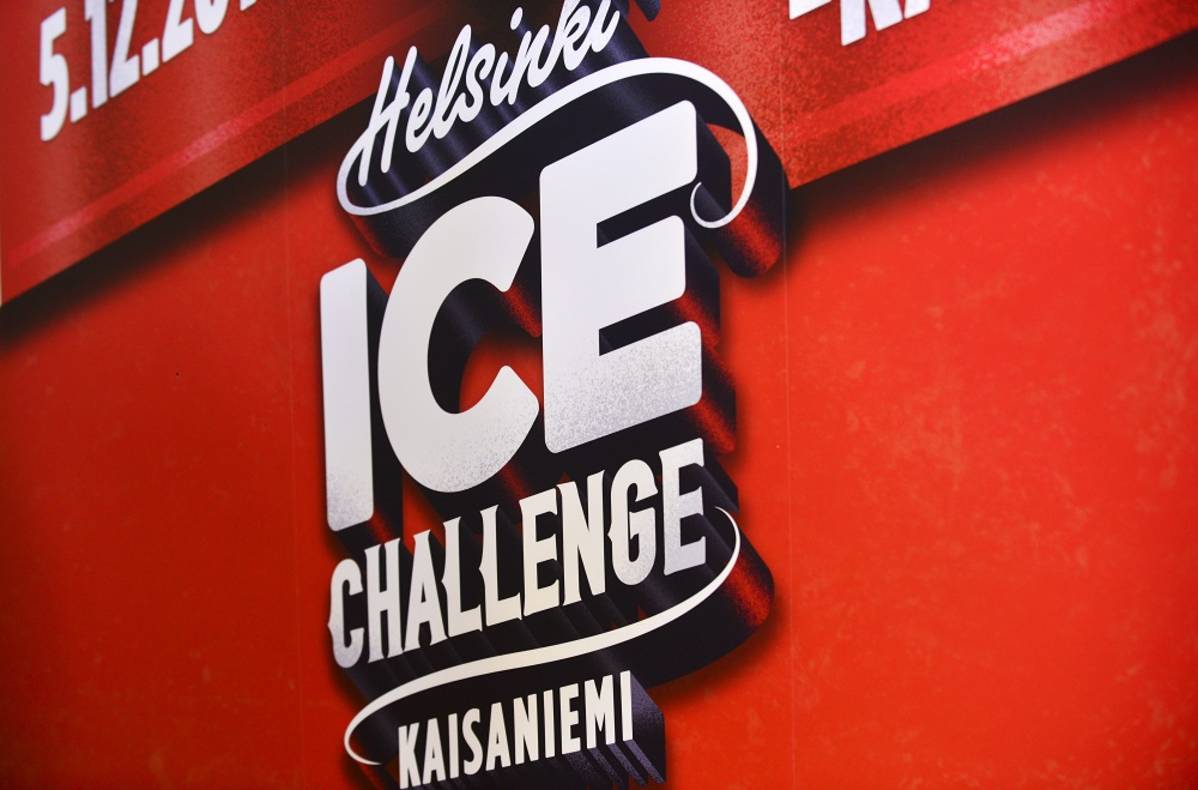
On the 2nd of December, 2017, Helsinki will host a KHL regular championship match between Jokerit and SKA Saint Petersburg, and the game will be a “Winter Classic” staged in an outdoor arena. The timing of the match coincides with three significant anniversaries: the 10th season of the Kontinental Hockey League, the 50th anniversary of the founding of HC Jokerit, and the centenary year of hockey in Finland.
The idea of holding a first-ever outdoor game in a KHL regular championship came from Jokerit. The Helsinki club proposed marking its 50-year jubilee with a major celebration for all the fans in Finland, and the plan drew enthusiastic support from the KHL.
A KHL match between two of the strongest European clubs will be one of the highlights of the League’s 10th anniversary season. Thanks to the vast territory covered by the KHL, the game in Helsinki will attract the attention of people across many countries and from fans of clubs which play in the competition. For this reason, marking the 100th anniversary of Finnish hockey with a KHL match dedicated to the occasion will be a superb way to raise awareness throughout an entire continent about the strong traditions of these great hockey powers. At the same time, the teams will be playing for valuable points in the regular season, and so the game will be fiercely competitive and even more exciting for the fans of both clubs.
The venue for the match was chosen with great care. It was here, over one hundred years ago, on the frozen waters of an inlet separating Siltasaari and Kaisaniemi, two areas of Helsinki, that amateur hockey players first started playing the exciting new game, which in those years involved fighting for possession of a ball rather than a puck.  Soon the Finns had created a permanent rink in Kaisaniemi Park, and matches in the national championship have been played here to this day. Three days after the Jokerit – SKA game, the same venue will stage a match from the Finnish League. The two games are united under the banner, "Helsinki Ice Challenge," and surrounding the playing surface will be special stands built to accommodate around 18,000 spectators. A sell-out crowd for this event would set a new attendance record for the League.
It is hoped the fans will feel the atmosphere of a century ago, a time when a new sport was taking its first steps on Finnish soil. Most of the open-air stadium will be for standing spectators, as that is how the hardy souls watched hockey back in those pioneering days. The Finnish club has announced that tickets for the match will go on sale from the 8th of June, 2017. This match in the Great Outdoors is just one of many planned events dedicated to marking the 10th anniversary of the Kontinental Hockey League. News of the other surprises and celebrations to delight the fans during this anniversary season will appear in due course on the League’s official website.
Image result for khl ice challenge

IIHF - World Championships - Russia

Oleg Znarok’s team went undefeated through five group games, with the only blemish coming at the start when it needed overtime to come from behind and defeat Sweden. Since then, impressive victories over Italy (10-1) and Slovakia (6-0) have helped put the team through to the quarter-finals in Cologne, while SKA’s Vegas-bound forward Vadim Shipachyov is on top of the tournament scoring charts with 10 (2+8) points.
It’s not all been good news for the Russians, though. An injury to Sergei Mozyakin, crudely slew-footed by Germany’s Patrick Hager early in a 6-3 win, has ruled Magnitogorsk’s record-breaking forward out of the rest of the competition. His place is taken by CSKA’s Valery Nichushkin, with further reinforcements arriving from the NHL in the form of one-time Traktor prodigy Evgeny Kuznetsov and Metallurg Novokuznetsk graduate Dmitry Orlov. KHL interest goes beyond Russia, though. Not surprisingly, Latvia’s roster draws heavily on players from our league and the Baltic nation is looking good for a quarter-final spot for the first time since 2009. Under the guidance of new head coach Bob Hartley, the Latvians can clinch a top-four finish with victory over Germany in Tuesday’s final group game. Last week, Dinamo Riga’s Miks Indrasis told us more about how Latvia is changing its approach in search of success at this year’s competition.
c01c52484afdc1256ff290047c9787d7.jpg
Miks Indrasis

Even the mighty Canadians have recruited from the KHL this time. Metallurg Magnitogorsk D-man Chris Lee became only the second KHL player to wear the Maple Leaf at an IIHF World Championship when he suited up in Canada’s 3-2 victory over France on Thursday. Lee contributed an assist as the defending champion subdued a lively host nation in Paris. With Canada currently on top of Group B, there’s every chance Lee will find himself up against his Metallurg head coach Ilya Vorobyov when the medal games come around – Vorobyov is part of Znarok’s coaching team.
For the first time ever, the World Championship has seen goals from China. While the People’s Republic is still some way from icing a competitive team – China’s national program competes in Division IIA – players from Kunlun Red Star have made an impact in Paris. France’s Damien Fleury became the first Kunlun player to score in an IIHF tournament as he helped his team to an historic 5-1 victory over Finland. Fluery is currently on 3+2 for les Bleus. Later, Tomi Sallinen, a late call-up for the Finns, scored on his first appearance for the Lejionat, helping to clinch a 5-2 victory over Slovenia. The Finns have also given ice time to Harri Sateri and Miro Aaltonen, bringing a rare Vityaz presence to the world stage.
Fleury isn’t the only KHL player helping the French.Stephane Da Costa, of CSKA Moscow, has banged in six goals for the co-host, although his contribution won’t be enough to see the French make it to the knock-out stages.
1000_02_20170511_RUS_DEN_SAF 2.jpg
It’s not all been a success story, though. Belarus, with a roster dominated by Dinamo Minsk men, has had an unhappy tournament. Expected to be a contender for a QF berth, the Belarusians instead were dragged into a relegation showdown. A 5-2 victory over Slovenia on Saturday, powered by two goals from Dinamo’s Alexander Pavlovich and a three-point contribution from clubmate Ilya Shinkevich, should be enough to save Dave Lewis’ team but the tournament will not be fondly remembered in Minsk.
Similarly, Slovakia has struggled. Nine World Championship rookies, including Avtomobilist D-man Michal Cajkovsky, have found it tough in Group A. The decision to invite many of the country’s Slovan Bratislava contingent to switch to Banska Bystrica in Slovakia’s Extra Liga was intended to ensure game time after Slovan’s season ended in February. But it hasn’t done much to enhance Slovakia’s progress as an overtime win over Italy proved to be the country’s sole success in Cologne so far. Similarly, Slovenia – with KHLers Jan Mursak (CSKA), Robert Sabolic (Admiral), Jiga Jeglic (Torpedo) and Rok Ticar (Avtomobilist) – has also found life tough. With one game to play, the team has just one point and is facing relegation to Division IA.


Russia 3 Czech Republic 0
After Tuesday's defeat against the USA, Russia was forced to travel from Cologne to Paris for its quarter-final match-up. The team also went with a warning: any repeat of the errors that beset its game against the Americans could mean an abrupt end to the 2017 campaign. Instead, though, the team responded strongly, posting its fourth shut-out in eight games and leaving the Czechs well beaten. Goals from Dmitry Orlov, Nikita Kucherov and the tournament's leading scorer Artemy Panarin ensured that Russia shone brightly in the City of Light, while goalie Andrei Vasilevski had 27 saves to collect his third shut-out of the tournament. However, the win came accompanied with another warning as Russia had to kill five minor penalties over the 60 minutes - a problem in previous games that has yet to be ironed out.
"Our penalty killers were key," said Lokomotiv Yaroslavl's Vladislav Gavrikov. "They were excellent and so was our goalie. That was the difference.

"But it was a tough game, and we can't take so many penalties and expect to win every time."
Russia took the lead in the ninth minute with Orlov's first World Championship goal. The D-man collected a Sergei Plotnikov pass on the blue line and saw a chance to advance before unleashing a shot over the glove from the high slot to beat Traktor goalie Pavel Francouz.
5048f6d18f1f693ecc3987dc9a8b6bc8.jpg
And that lead increased on the power play after Vityaz defenseman Jakub Jerabek sat out an interference minor. Kucherov, who was on the receiving end of Jerabek's foul, took revenge with his sixth goal of the tournament after Evgeny Kuznetsov sped round the back of Francouz' net and served up an inviting pass for Kucherov to strike with a one-timer. But it wasn't the perfect start for Russia; an injury saw Vladislav Namestnikov limp out of the game early on, and the Czechs also had their chances. Russia's penalty problems contributed to the team falling behind 13-8 on the shot count, while Andrei Vasilevsky was relieved to see a Jakub Voracek effort rebound off the post to safety late in the stanza.
However, Russia's defense was tighter all over the ice in this game. A second-period Czech power play told the story; solid forechecking meant that much of the two minutes was spent closer to Francouz' net than Vasilevsky's. There was a strong sense that after wresting control of the game in the opening stanza, the Russians were not about to give it up. The Czech offense, featuring familiar names such as Jan Kovar (Metallurg Magnitogorsk), Vladimir Sobotka (until recently Avangard) and Roman Cervenka (a Gagarin Cup-winner with SKA in 2015), was struggling to get a good look at Vasilevsky's net and find a path back into the game.
Namestnikov returned to the bench for the third period, and Russia began to generate more offense as the Czech's hopes faded. Artyom Zub played in Sergei Andronov, but the CSKA man was denied from close range by Francouz. Then Anton Belov sent Panarin on a one-on-one break, but the Czech again had the edge. The third goal came in the 54th minute as Russia unpicked a Czech attack and stormed down the ice. Kucherov and Panarin led the rush, and the latter fired the puck home to take his individual tally to 4+10=14 points.
Russia now returns to Koln for Saturday's semi-final against the winner of tonight's Canada - Germany clash.
c75c20ad0d31be96c93db2c7ec46a261.jpg
Russia 2 Canada 4
It felt like a long time since Russia got the better of its greatest hockey foe … and after a memorable encounter, absorbing for the neutral, it will feel even longer for the raucous Russian support that flocked to Cologne for this World Championship semi-final. Second-period goals from Evgeny Kuznetsov and Nikita Gusev gave the Red Machine a 2-0 lead and, with Canada looking oddly disjointed, victory seemed well within reach. But it all went wrong. Canada got a goal back early in the third and powered to victory on three goals in the last five minutes. After the game, the faces of Russia’s players told the story more eloquently than the words of the few who paused in the mixed zone. Shock and misery was carved deeply into the features of a team that knew how close it had come to a famous victory. Answers, delivered sotto voce, tended to begin “I don’t know ...”, “I can’t say ...”
Sergei Andronov summed up the mood. “We know we blew a big chance,” he said. “It hurts. It hurts for us and it hurts for the fans who have been crazy here.”
The first period was cagey; two heavyweights prowling the ring, eyeing up the opposition, looking for a chink in the armor. But rather than scoring chances, it was big hits that got the crowd excited, with CSKA’s Andronov singled out for some particular attention from Travis Konecny and Brayden Schenn.
Perhaps most importantly, though, Russia did not take a single penalty in the opening stanza. Aside from denying Canada’s imposing power play a chance to strut its stuff, this also underpinned an enhanced level of discipline from Oleg Znarok’s team after spending too long in the box for comfort in recent games. This time, though, it was Canada that picked up the unnecessary indiscretions and played itself into trouble.
Gradually, discipline began to deliver. If the previous meeting between this two nations, in Prague in the 2015 final, was characterized by the Canadian offense slicing through Russia’s back line, here the reverse was true. Once the Russian passing game got into gear, the impact was devastating. First it was the team’s NHL combination – Nikita Kucherov to Artemy Panarin, then on to Evgeny Kuznetsov all alone on Calvin Pickard’s doorstep with plenty of time to tap into an empty net in the 33rd minute.
b551e2fd3fcfd95198831642820e5b12.jpg
Russia - Canada


Canada, rattled, took another penalty and duly paid the price. This time it was something of an old-SKA reunion; former Petersburg favorite Panarin switching play for Vadim Shipachyov, who duly fed Nikita Gusev. Panarin’s replacement at SKA didn’t make the cleanest of contact with his shot, but did enough to force it past Pickard and double Russia’s lead. Then it all went wrong for Russia. Seconds into the final stanza, Mark Scheifele got a goal back for the Canadians. A seemingly comfortable path to victory was at once strewn with obstacles. Russia ran into penalty trouble – an abrupt reversal from the second period – and gradually Canada’s pressure told. Nate MacKinnon tied the game with five to play, capitalizing after Vladimir Tkachyov missed his chance to move the puck to safety and sudden Russia was looking at a result that would be memorable for all the wrong reasons. A couple of minutes later and it was 3-2 Canada. Ryan O’Reilly claimed the game winner, snaffling a rebound after his initial shot was blocked by Ivan Provorov. Russia’s dream was in tatters, and Sean Couturier read the last rites with an empty netter to make it 2-4.
Jubilant Canadian head coach Jon Cooper hailed it as “one of the greatest hockey games I’ve ever been involved in” and spoke warmly of Russia’s performance. But for Russia’s Oleg Znarok, reflecting on his third international loss against Canada, there was little to say. “I’ve no complaints about my guys,” he commented. “They battled from the first minute to the last but the luck didn’t go with us. That’s sport.”


Russia overcame Finland with a three-goal blitz early in the second period, ensuring it continued its run of World Championship medals with bronze in Koln.

Russia 5 Finland 3

After the disappointment of semi-final defeat, Russia bounced back to claim a bronze medal and make it four years in a row on the World Championship podium under Oleg Znarok’s coaching.
The two teams had suffered contrasting semi-final losses the day before. Russia, agonizingly, blew a winning position against Canada; Finland, somewhat tamely, succumbed to Sweden. But the reaction to those losses was also telling. While the Russians left the ice shell-shocked, the Finns were more phlegmatic about their game. If pain and frustration was destined to be a motivator here, Russia had the edge. So it proved. Finland showed some fight early on, but Russia raised its game and ultimately steamrollered its northern neighbor, paced by two goals from Nikita Gusev.
The SKA youngster, playing at his first senior World Championship, has acquitted himself well at this level and his double strike in the bronze-medal game took him to six goals for the competition. His first, a venomous slap shot from the right circle, flew past Joonas Korpisalo while Sergei Andronov threw up the screen. In the second period he got another, wrapping up another strong power play with assists from Artemy Panarin and Evgeny Dadonov after Russia’s passing play unpicked the Finnish defense. In between there was a short-handed goal for another of Russia’s emerging talents, Vladimir Tkachyov. The Ak Bars man notched for the first time in the tournament, converting Valery Nichushkin’s surge down the right boards. And, after a tournament in which – once again – Russia’s defense has come under criticism after losses against Canada and the USA, CSKA’s Bogdan Kiselevich sent a reminder that all is not beyond redemption on the blue line when he grabbed his third of the tournament. His shot off a Nichushkin feed was helped by an error from Korpisalo, but had enough to make it 4-0 and bring Vityaz goalie Harri Sateri to the Finnish crease. Kiselevich has also won plaudits for his defensive work in Germany: up until Saturday’s semi-final, none of Russia’s opponents had scored while he was on the ice.
Kiselevich himself rated his first World Championship experience as a qualified success. “As a whole, the tournament made a great impression on me,” he said. “Playing at this kind of level in every game was good. You can never let up, you have to play hard for the full 60 minutes. That was what cost us yesterday, so today we were determined to put it right.
“But to be honest it was a bit disappointing because yesterday we defeated ourselves, we weren't beaten by the opposition. We didn't get to play for gold, but we came away with a bronze.”
Briefly, there was a danger that history might repeat itself. The Finns got on the board in the dying seconds of the middle stanza through Mikko Rantanen, and added a second early in the final session when Mikko Lehtonen’s long-range wrister slipped under Andrei Vasilevsky’s glove. After blowing a lead 24 hours earlier, surely Russia couldn’t fail again?
d3e2bbae2470e9b4301df1dcab9a4120.jpg
Russia - Finland


The unthinkable became alarmingly plausible, though, when Veli-Matti Savinainen made it a one-goal game with 14 minutes left. The former Ugra and Torpedo forward enjoyed some good fortune as his shot deflected off Anton Belov and just evaded Vasilevsky’s blocker. Russia called a time-out, and Oleg Znarok found the words to inspire his team. Soon afterwards Evgeny Kuznetsov’s pass sliced the Finnish defense apart and released Nikita Kucherov. His first shot was saved by Sateri, but the Tampa Bay forward beat Joonas Jarvinen to the rebound and slid it into the empty net to make it 5-3 and restore some calm.
“We could have got nervous because there was still a lot of time remaining, but we stayed calm, the guys on the bench kept us calm,” Kucherov said. “We stayed confident, Vasilevsky did great and we didn't take too many penalties.”
When asked why Russia seemed to struggle in its third periods during the championship, Kucherov would not be drawn. “Guys, we won today!” he smiled.

KHL - Chernyshev Division 2016-17 Review


The Eastern-most outposts of the KHL gained a new neighbor this season as Kunlun Red Star brought top-level hockey to China for the first time. Among the more established teams in this section, there were tough times for Salavat Yulaev and Sibir, while Admiral showed some encouraging signs.

Admiral Vladivostok – stable coaching, steady progress

Results: Once again, Admiral fell at the first hurdle in the playoffs. But, this time, the Sailors managed to take the series to six games for the first time. A small step, but progress nonetheless.
1000_01_20160811_BAR_ADM_SHI 1.jpg
Admiral

Summary: Alexander Andriyevsky’s team did not go for wholesale changes in the summer, but some judicious transfer activity brought Robert Sabolic to the club. The Slovenian international emerged as a leading player in Vladivostok, helping to bring the best out of young Russian prospect Vladimir Tkachyov at the same time. Tkachyov, who managed just six shifts with SKA in the previous campaign, revelled in the extra ice time available here. The 21-year-old made an instant impact, picking up points in nine of his first 10 games and finished with 39 points, second in the club’s scoring.
Initially, progress was slow. In mid-September the team was some way off the pace, and there was talk of a change in the coaching staff. But, once October began with a four-game winning streak, a slow and steady revival got the team back on course. Even so, it wasn’t until the final game that a playoff place was secured, although any last-minute nerves were eased when Sibir failed to beat Avtomobilist in regulation, ensuring that it could not improve on ninth place. Admiral came in seventh, and faced Avangard in the opening round of post-season action.
That series began with an overtime loss in Omsk. Game Two also went to Avangard, but Admiral hit back on home ice to tie the match-up at 2-2. That was as good as it got: after leaving it all out on the ice to grab an overtime win and level the series, Admiral could not recover and suffered back-to-back shut-out losses to see its season come to an end.
What’s next: Andriyevsky has already completed two full seasons at Admiral, and in an age of frequent coaching changes he enjoys an unusual level of stability. Back in 2015 his resignation was rejected by the club’s directors and it seems that their faith in him will enable the Belarusian to continue developing his team for the foreseeable future.
1000_02_20151206_ADM_AVT_SHI 10.jpg
Admiral fans


Amur Khabarovsk – more struggles in the Far East

Results: Once again, the playoffs were out of reach for Amur. However, the club did produce a Gagarin Cup winner: defenseman Artyom Zub earned a transfer to SKA during the course of the season and featured in the championship run.
1000_03_20170116_AMR_JOK_DKL 3260.jpg
Amur

Summary: Khabarovsk revels in some of the most fanatical fans in the hockey world, but it’s been a long time since Amur delivered the kind of results that would repay that loyalty. In the KHL era the team has managed a solitary playoff campaign, under the guidance of Hannu Jortikka in 2012. This season never looked likely to buck the trend. Bright spots, such as the continued impressive form of goalie Juha Metsola and the emergence of Artyom Zub, were hard to come by. Instead, it was a familiar story: too many moderate performers. Head coach Miskhat Fakhrutdinov left in December; a permanent replacement has yet to be confirmed. Zub, still only 21, earned an international call-up, something of a rarity for Amur, but his elevated profile also led to his departure from the club – another familiar problem for a team that often faces a battle to keep hold of players with potential. The end result was another season of disappointment, only slightly enhanced by a late run of victories after the playoffs were out of reach.
What’s next: The next head coach is still to be confirmed, but Amur has already managed something of a coup in the summer trades. Marek Kvapil, the Czech forward who won the Gagarin Cup with Dynamo Moscow, was the first big signing. Kvapil has just helped Cometa Brno to victory in the Czech League. The club also confirmed that influential D-man Jan Kolar will remain for another year.
1000_04_20161019_AMR_TRA_DKL 17.jpg
Amur fans


Avangard Omsk – Kanareikin in, Kanareikin out

Results: Avangard won the division at a canter, but the playoff campaign was less impressive. Fyodor Kanareikin’s men needed six games to get past Admiral, and lost out to Ak Bars in the second round. As a result, Kanareikin left the club at the end of the season, prompting another new direction in Omsk.
1000_03_20161112_AVG_SPT_AVG 1.jpg
Avangard

Summary: Even before the season began, Avangard sprang a surprise. With preparations well underway, the club opted to replace head coach Evgeny Kornoukhov with Fyodor Kanareikin. The change didn’t greatly hamper the early stages of the season: Avangard started brightly, although even in the early stages it tended not to pick up many wins against the expected championship contenders – defeats to Lokomotiv, Ak Bars, and Metallurg Magnitogorsk (twice) blotted the record before the end of September.
That proved to be the story of the season. Generally reliable against the more modest teams, but not always impressive in the big showdowns. The same kind of solid but unspectacular performance also typified the individual scoring. Plenty of forwards managed 20 points, but Nikolai Lemtyugov (31) and Vladimir Sobotka (30) were the only ones to hit 30. Anton Burdasov was perhaps the most productive, with 17 goals and 25 points in just 35 regular-season games. That was enough to win the Chernyshev Division quite comfortably, securing second place in the Eastern Conference behind Metallurg, but there was a sense that the team was struggling to reach its full potential.
That sense was confirmed in the playoffs. In round one, Admiral should have been sunk after falling 0-2 behind, but was able to tie the series before finally running out of steam. Next came Ak Bars, and a defeat in six games sealed by a 5-0 drubbing in Kazan to end Avangard’s campaign.
What’s next: Kanareikin is gone, given less than a year to try to construct a successful team. In his place comes Andrei Skabelka from Sibir. Skabelka, alongside GM Kirill Fastovsky, earned a good reputation for his results in Novosibirsk in recent seasons. Under his guidance, Sibir stepped up from the middle of the conference to a solid playoff contender. But last season that progress came to an end. In 2017-18, both Avangard and its coach will be hoping a change of environment can pay dividends.
1000_03_20170302_AVG_ADM_SHI 19.jpg
Avangard fans


Barys Astana – rebuilding after Nazarov

Results: A slow start to the season saw head coach Andrei Nazarov dismissed on September 6. Eduard Zankovets took his place and steadily shifted the team’s tactics from gung-ho offense to pragmatic defense. The change paid off: Barys reached the playoffs and overturned the rankings to defeat Traktor in round one before falling to Magnitogorsk in the Eastern Conference Semi-final.
1000_04_20170313_BAR_MMG_KUZ 6.jpg
Barys

Summary: At first glance, not all that much has changed in Kazakhstan. The leading figures on the team were Kevin Dallman, Brandon Bochenski and especially Nigel Dawes. Dustin Boyd, another familiar face, missed much of the season after a serious injury, but returned in time to make a handy contribution of his own in the closing stages. And therein lies the problem. After failing to make the playoffs in 2016, Nazarov was tasked with improving results and putting a younger team on the ice. Zankovets delivered the results, but there was no rush of youthful talent suiting up in Astana. The old hands continue to deliver, but it’s not entirely clear where the future might lie.
There were things to celebrate: the opening round victory in the playoffs saw Barys become the only team to upset the seedings in the first phase. Brandon Bochenski saw a new mark for points scored by an import, only to be upstaged by his team-mate Nigel Dawes as the season progressed. Attendances in Astana’s new arena grew steadily, and the playoff games brought some five-figure crowds. The spectre of Damir Ryspaev, handed a lifetime ban from the KHL after his attempt to drag Kunlun players off the bench and into a fight in a pre-season game, was quickly forgotten.
But now it’s time for Barys to consolidate on what it has achieved and unearth new players – especially new scorers – who can ease the burden on the team’s familiar old faces.
What’s next: Zankovets is currently preparing Kazakhstan for its World Championship Division 1A campaign, looking to lead the country back to the elite pool of IIHF action. His long-term future in Astana will become clearer after that tournament in Kiev at the end of April. But, whoever is coaching the team, the problems for Barys remain clear: a lack of firepower outside of the first line, and an aging roster that needs a new generation to step up quickly.
1000_01_20150809_BAR_MNK_SHI 12.jpg
Barys fans


Kunlun Red Star – impressive debut in Beijing

Results: Like any new team, Kunlun found life tough at times. However, Red Star was always in the thick of the playoff race and secured a post-season place at the first time of asking – albeit by the narrowest of margins on the final day of the regular season. A first-round match-up with Metallurg Magnitogorsk was too much of a challenge, but Vladimir Yurzinov’s team did deliver a playoff win to Beijing in game four of the series.
1000_00_20161019_KNL_SYU_SHI 39.jpg
Kunlun Red Star

Summary: There’s a sense of ‘Mission Accomplished’ in China after a debut season that let nobody down. From the start, Kunlun was competitive and a hastily-constructed roster proved that it could bring plenty to the party. Leading scorer Chad Rau took many plaudits – and earned a trip to the All-Star Game; goalkeeping tandem Tomi Karhunen and Andrei Makarov produced solid, game-winning performances.
Zach Yuen became the local hero. The most successful of the four Chinese players on the roster, he claimed the first Chinese goal in KHL history, grabbing the only marker of October 27th’s encounter against Amur. Playing as a D-man or a center depending on the team’s needs, Yuen continued to make a handy contribution on and off the ice. Aside from his scoring, which continued into the playoffs, he also became something of a poster boy for Chinese hockey.
The playoff series against Magnitka also produced some memorable hockey for a new fanbase in the People’s Republic. Despite losing out 1-4, Kunlun enjoyed a 3-1 home victory and ran the defending champion close in games two and three of the series.
What’s next: Yurzinov resigned at the end of the season and, a few weeks later, coaching legend Mike Keenan was unveiled as the new head coach. Securing the services of a man of Keenan’s stature is a huge coup for the club, and a huge boost for Chinese hockey. His tasks include improving on last season’s playoff campaign and nurturing at least five Chinese players on the KHL roster – a challenging task, but one that ‘Iron Mike’ is relishing.
1000_00_20161021_KNL_TRA_SHI 27.jpg
Kunlun Red Star fans


Metallurg Novokuznetsk – strong youth, struggling seniors

Results: Now the only team never to have reached a KHL playoff, Metallurg never looked likely to break that unhappy run this season. A limited budget and a youthful roster added up to another struggle as the team finished rock bottom of the regular season table.
1000_04_20121013_DIN_MNK_KUZ 2.jpg
Metallurg Novokuznetsk

Summary: The return of Sergei Zinoviev to Novokuznetsk as GM at Metallurg raised hopes that things might improve for the team. But a season with few victories, three head coaches and a series of disappointments from senior players spelled the same old story.
There were bright spots – a shoot-out win at home to Metallurg Magnitogorsk, an unexpected four-game winning streak in late November and early December – and there were some star performers. Goalie Andrei Kareyev, 22, earned himself a good reputation on a losing team; his form between the piping saw off the experienced Mikhail Biryukov, who headed to Torpedo in search of more ice time. Karayev then got a move to Neftekhimik, following the tradition of youngsters getting their start in Novokuznetsk before being poached by wealthier clubs.
As usual, other young players got plenty of opportunities: Nikita Lyamkin, Timur Fatkullin and forwards Alexei Razumov, Ivan Yemets and Nikita Yazykov all featured in at least 30 games. Elsewhere in the league, Novokuznetsk-trained players enjoyed impressive seasons – Kirill Kaprizov at Salavat Yulaev, Ilya Sorokin at CSKA – and the club’s production line seems to be in good order.
But the KHL is an unforgiving league. Youth and potential are not in themselves enough. The lack of contribution from the club’s perceived stars, the likes of Mikhail Anisin, Andrei Pervyshin and Andrei Taratukhin were a big let-down and the team’s frequent, long losing streaks made it a tough season in Siberia.
What’s next: In the short term, it’s hard to see much changing. When local politicians are openly discussing the merits of continuing to fund top-flight hockey in the city, it’s far from clear where the necessary investment for Metallurg will come from. Despite this, the organization continues to nurture talented players and the evidence of this season suggests that the likes of Razumov, Yazykov and Evgeny Solovyov could be among the next crop of graduates who make a name for themselves in Russian hockey.
1000_03_20141114_MNK_MMG_KUZ 2.jpg
Metallurg Novokuznetsk fans


Salavat Yulaev Ufa – underperformance in Ufa

Results: For a time, it looked as if the unthinkable might happen. A New Year hangover turned into a long winless run, and Salavat Yulaev was in danger of missing the playoffs for the first time in KHL history. A late rally avoided that embarrassment, but a first-round loss in five games at the hands of bitter rival Ak Bars brought an end to Igor Zakharkin’s spell as head coach.
1000_01_20170214_SYU_AKB_SAG 1.jpg
Salavat Yulaev

Summary: Kirill Kaprizov was the season’s shining light in Ufa. The youngster was in dazzling form, fully justifying a role on the first line alongside Linus Omark and Teemu Hartikainen. Kaprizov, still just 19, was unfazed by the step up from Metallurg Novokuznetsk, scoring 42 (20+22) points and threatening Evgeny Kuznetsov’s KHL scoring record for a junior. He was the second top scorer, and leading goalscorer, with Omark leading the way with 56 points.
But that was almost the end of the good news for Salavat Yulaev. A sluggish start – just four wins in the first 13 games – seemed to have been forgotten when October and November brought a sharp upturn in form and a comfortable position in the top eight. The good times didn’t last, though. Frequent injury problems took their toll, and 2017 saw a hideous run of nine straight losses (and a bigger picture of one win in 15 games) as missing the playoffs started to look like a serious possibility.
The highlight of the season came on Valentine’s Day, when a 3-1 victory at home to Ak Bars snapped that long losing streak and generated the momentum to get the team over the line and into post-season. But Ak Bars came back in the playoffs, dumping Salavat out of the competition and Zakharkin out of a job.
What’s next: After a remarkably stable summer last time, with Zakharkin adding experience on defense, capturing Kaprizov’s signature and holding on to most of his key forwards, this summer promises big changes. Erkka Westerlund comes in as head coach, the first foreigner to hold the position in Ufa. It’s something of a gamble: the Finn’s impressive CV includes success for club and country, but he has never led a team outside of his homeland before.
1000_02_20140324_SYU_BAR_DMI 8.jpg
Salavat Yulaev fans


Sibir Novosibirsk – the end of an era

Results: Sibir failed to reach the playoffs – just – and Andrei Skabelka’s long and successful association with the club came to an end.
1000_01_20150129_SIB_AMR_SEM 3.jpg
Sibir

Summary: Injuries cut a swathe through Sibir’s season. The absence of goalie Alexander Salak for much of the campaign was hugely disruptive, even as replacements came and went. Throughout the year, the treatment room was home to other key players. The injuries were rarely prolonged, with the exception of defensemen Maxim Ignatovich and Georgy Misharin, but the cumulative effect of big players missing a handful of games was a disjointed team that struggled to find any consistent form.
Even so, the playoffs were so nearly in reach. Going into the final game, ninth-placed Sibir had to win in regulation at Avtomobilist and hope that one of Admiral and Kunlun slipped up. The team was up in the third period, only for a goalkeeping error from Danny Taylor to gift Avto an equalizer. The game went to overtime, and the playoff dream was over. Adding to the frustration, Kunlun went on to lose at Dynamo Moscow; had Sibir held its lead, it would have beaten the Chinese team to the top eight.
Instead, the season was over in February. Andrei Skabelka then left the club and eventually took over the vacancy behind the bench at Avangard.
What’s next: The club has yet to announce a replacement for Skabelka. GM Kirill Fastovsky, renowned as one of the wiliest in the competition will be seeking someone who can continue the club’s recent good work and generate strong teams through a well-maintained scouting network that excels in unearthing overlooked talent.
1000_01_20151030_SIB_AMR_SEM 3654.jpg
Sibir fans